/ 6 min read / Roofer SEO Co. team
Roofing Keywords That Bring Replacement Jobs, Not $150 Repairs
Roofing keywords sorted by the job they bring: replacement, material, storm, repair and emergency, with city examples and the page each one belongs on.
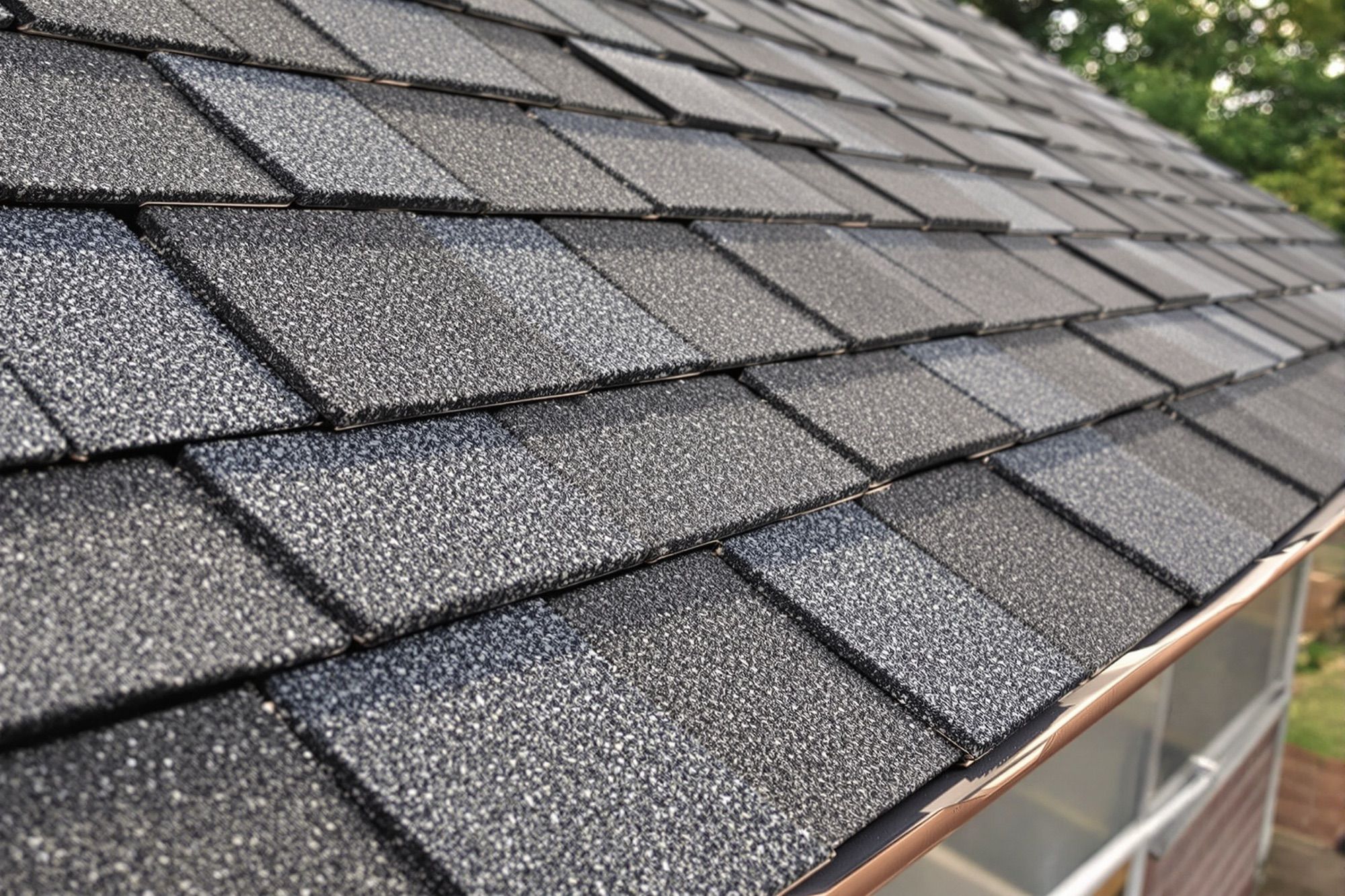
The keywords that bring replacement jobs pair a city with "replacement," "new roof," a material or a cost question: "roof replacement Plano," "new roof cost Frisco," "standing seam metal roof Allen." The keywords that bring small repairs look like "roof repair near me," "fix roof leak" and "shingle blew off." You want both, on separate pages, and your strongest page should be built for the first group.
Below is how we sort roofing keywords for a contractor, tier by tier, with the page each tier belongs on.
Do the math on one job first
Say an average replacement in your area runs $13,000 and an average repair runs $400. Those are made-up numbers, so pull your own from last year's invoices. With those figures, one replacement brings in more revenue than 30 repairs, and it probably took less sales time than 30 separate service calls.
That's the reason to point your best page and most of your link building at replacement searches, even if repair searches look bigger in your keyword tool. Volume tells you how many people search. It doesn't tell you what the job is worth.
Tier 1: Replacement searches
The homeowner has decided the roof is done, or is close to it.
- "roof replacement [city]" and "[city] roof replacement"
- "new roof [city]"
- "roof replacement cost [city]" and "how much is a new roof in [city]"
- "reroof [city]"
- "roof replacement companies near me"
- "roofing company [city]" and "roofers [city]" (mixed: some want a repair, some want a new roof)
These belong on one dedicated roof replacement page, with your homepage covering the broad "roofers [city]" terms. The replacement page needs the things a homeowner weighs before calling: what drives the price (or real ranges, if you're willing), the materials you install, how a tear-off day goes, local project photos with town names, financing if you offer it and warranty terms in plain words.
Tier 2: Material searches
Material searches tend to come from homeowners further along. Someone typing "standing seam metal roof cost [city]" has done some reading and is pricing it out.
- "metal roof installation [city]"
- "standing seam metal roof [city]"
- "architectural shingles vs 3-tab"
- "tile roof replacement [city]" (in tile markets like Florida and Arizona)
- "flat roof replacement [city]" and "TPO roofing [city]"
- "[manufacturer] certified roofer [city]" (only if you hold that certification)
Build one page per material you install and want more of. If metal is a small slice of your work today and you'd like it to be a big one, that page is worth the effort. If you've done two tile jobs in your life, skip it; a thin page with stock photos won't rank and won't convince anyone.
Tier 3: Storm and insurance searches
- "hail damage roof repair [city]"
- "wind damage roof repair [city]"
- "storm damage roof inspection [city]"
- "roof insurance claim help"
- "does insurance cover roof replacement" (a broad question, mostly answered by insurers and national sites)
These spike after storms and can lead straight to a full replacement paid through a claim. They belong on a storm damage page, split into hail and wind pages if both hit your area regularly. Write carefully: claim and deductible rules vary by state, and your copy shouldn't promise what any carrier will pay. Check your state's rules before you write about deductibles.
Tier 4: Repair searches
- "roof repair [city]" and "roof leak repair [city]"
- "shingle repair near me"
- "chimney leak repair"
- "vent pipe leaking roof"
- "skylight leak repair"
Smaller tickets, but they open doors. A repair call on a 20-year-old roof turns into a replacement conversation once you're up there and can show the homeowner photos of what you found. Put these on a roof repair page that lists the repairs you do and says plainly when you'll recommend replacement instead. That honesty is also what makes the replacement recommendation believable when you make it.
Tier 5: Emergency searches
- "emergency roof repair [city]"
- "roof leaking during rain"
- "roof tarp service near me"
- "24 hour roofer [city]" (only if it's true)
Phone-first and urgent, with a small ticket, and the homeowner calls whoever answers. They belong on an emergency page built for a phone: call button at the top, what you can and can't do tonight and honest response times. Don't promise a crew in 30 minutes if that's not what happens.
Searches to skip or handle with care
- "roofing jobs," "roofer salary," "roofing companies hiring": job seekers. Fine for a careers page, useless for sales.
- "how to fix a roof leak yourself," "DIY roof repair": they don't want to hire anyone yet.
- "roofing shingles for sale," "roofing supply near me": material buyers.
- "cheap roofers [city]": you'll attract price shoppers. Your call.
- "roof cost calculator": only worth chasing if you have an honest estimator on your site.
City modifiers and "near me"
Homeowners type the same request several ways: "roof replacement Plano," "Plano roof replacement," "roof replacement in Plano TX." Google generally understands these as the same request, so you don't need a page for each word order. One page per service, with the city in the title tag, the H1 and the body where it reads naturally.
You also don't need "near me" written on the page. Google fills in the location from the searcher's phone, and your Business Profile and your distance from the searcher do most of that work.
Nearby towns deserve their own pages only where you have real jobs and something specific to say: projects you finished there, the permit office, the HOA that requires certain shingle colors. Forty suburb pages with the town name swapped in are thin pages. They rarely rank and they waste the time you could spend on the replacement page.
Put it together: a page map
Here's an example for a made-up company based in Plano, Texas, that wants more replacements and more metal work:
- Homepage: "roofing company Plano," "roofers Plano TX"
- /roof-replacement: "roof replacement Plano," "new roof cost Plano"
- /metal-roofing: "metal roof installation Plano," "standing seam metal roof Plano"
- /storm-damage: "hail damage roof repair Plano," "storm damage roof inspection Plano"
- /roof-repair: "roof repair Plano," "roof leak repair Plano"
- /emergency-roof-repair: "emergency roof repair Plano," "roof tarp Plano"
- /frisco-roofing: only once there are real Frisco jobs to show
- Blog posts for the questions homeowners ask before calling: "how long does a roof replacement take," "metal roof vs shingles in North Texas heat," each linking to the matching service page
Give each page one main keyword group. If the homepage and the replacement page both chase "roof replacement Plano," Google has to pick one of them, and it may pick the weaker page.
Checking volume in your market
Search volumes in keyword tools are estimates, and in smaller towns many roofing terms show little or no volume even though people do search them. Use the numbers to compare terms against each other, not as exact counts. Google Keyword Planner is free with a Google Ads account.
Then look at the actual results for each term on your phone. If "roof replacement [city]" shows a Map Pack and local roofers, it's a buying search and belongs on a service page. If it shows articles from national sites, it's a research search and fits a blog post better.
Sorting keywords by job value and tying each group to one page is the first thing we do in our SEO for roofing contractors, before any links get built. If you're not sure which of these tiers your site shows up for today, ask for a free SEO inspection and we'll point out which money pages are missing.